Key Takeaways
- Non-surgical procedures offer effective alternatives: From medical treatments to cosmetic enhancements for the aging face, non-surgical options provide effective solutions without the need for invasive surgery by a health professional using the right product.
- Advanced techniques and technologies: Innovations like laser therapy, ultrasound, and injectable treatments are revolutionizing non-surgical care, making it more accessible and efficient for diagnostic procedures and aging patients, according to health professionals.
- Variety of treatments available: There are numerous non-surgical treatments ranging from pain management and physical therapy to cosmetic procedures like Botox and fillers, examples provided by a health professional for the face product.
- Understand benefits and risks: While non-surgical methods often have shorter recovery times, it’s essential to understand both the benefits and potential risks involved, including diagnostic procedures.
- Diagnostic tools are evolving: Modern diagnostic tools such as MRI and CT scans allow a doctor to make accurate assessments of a person without the need for surgical intervention.
- Seek professional care: Always ensure that you seek treatments from a certified doctor to guarantee safety and effectiveness through proper diagnostic procedures.
Exploring Non-Surgical Medical Procedures
Definition and Purpose
Non-surgical medical procedures are treatments that do not require a doctor to make incisions or remove tissue. They aim to diagnose, manage, or treat various conditions without the need for surgery by a doctor. These procedures often involve less risk and shorter recovery times compared to surgical procedures.
Examples include injections, physical therapy, and diagnostic imaging like X-rays.
Health Professionals Involved
Various health professionals administer non-surgical treatments. Doctors, nurses, and physical therapists are commonly involved. Dermatologists may perform cosmetic procedures like Botox injections. Radiologists handle imaging tests such as MRIs and CT scans.
Each professional plays a crucial role in ensuring patient safety and effective treatment.
Patient Preparation
Patient preparation is vital before any non-surgical procedure. Patients should understand the process and potential outcomes. Informed consent involves explaining risks, benefits, and alternatives to the patient.
Preparation may also include:
- Medical history review
- Physical examination
- Pre-procedure instructions (e.g., fasting)
Proper preparation helps ensure better results and minimizes complications.
Common Examples
There are many common examples of non-surgical procedures. Physical therapy helps patients recover from injuries without surgery. Diagnostic imaging, such as ultrasounds, assists in diagnosing conditions without invasive methods.
Other examples include:
- Blood tests for various health screenings
- Laser treatments for skin conditions
- Epidural steroid injections for pain relief
These procedures offer effective alternatives to traditional surgical methods.
Techniques and Technologies in Non-Surgical Care
Advancements in Technology
Modern technology has greatly expanded non-surgical treatment options. In the past decade, laser therapy has become more precise. Lasers can now target specific tissues without harming surrounding areas.
Cryotherapy is another advanced method. It uses extreme cold to treat various conditions like warts and some cancers. Ultrasound technology helps in breaking down kidney stones without surgery.
Reduced Recovery Time
Non-invasive techniques often lead to shorter recovery times. Procedures like Botox injections or fillers require no downtime. Patients can resume their daily activities immediately.
Minimally invasive treatments also reduce the risk of complications. For instance, endoscopic procedures involve tiny incisions, lowering infection risks. This makes them safer compared to traditional surgeries.
Digital Imaging
Digital imaging plays a crucial role in non-surgical care. MRI and CT scans provide detailed images of internal organs and tissues. Doctors use these images to diagnose conditions accurately.
3D imaging is another breakthrough. It allows for better planning of treatments like dental implants or orthopedic repairs. This leads to more effective outcomes and fewer errors.
Telehealth Services
Telehealth services have revolutionized healthcare delivery. Patients can consult doctors via video calls from their homes. This is especially useful for follow-up visits after non-surgical procedures.
Remote monitoring devices track vital signs like heart rate and blood pressure. Doctors receive real-time data, enabling timely interventions when needed.
Laser Therapy Benefits
Laser therapy offers several benefits over traditional methods. It’s less painful and requires no stitches or bandages. Healing time is faster, making it ideal for busy individuals.
Lasers are used in dermatology for skin resurfacing and hair removal. They also treat eye conditions like cataracts with high precision.
Cryotherapy Applications
Cryotherapy treats a range of conditions effectively. It’s used in sports medicine to reduce muscle pain and inflammation quickly.
In oncology, cryotherapy targets cancer cells without affecting healthy tissues around them. This minimizes side effects compared to chemotherapy or radiation.
Role of Ultrasound
Ultrasound technology has multiple applications in non-surgical care. It’s commonly used in obstetrics for monitoring fetal development safely.
Doctors use ultrasound waves to break down kidney stones into smaller pieces that pass naturally through urine, avoiding surgical removal entirely.
Types of Non-Surgical Treatments
Diagnostic Procedures
Non-surgical diagnostic procedures help identify health issues. These methods are less invasive than traditional surgery.
MRI scans use magnets and radio waves to create detailed images. CT scans combine X-rays and computer technology to produce cross-sectional views. Both are painless and quick.
Therapeutic Procedures
Therapeutic procedures treat medical conditions without surgery. They often involve medications or other non-invasive treatments.
Physical therapy helps patients recover from injuries. It includes exercises, massage, and heat treatments. Radiation therapy targets cancer cells with high-energy rays. This method reduces tumors without cutting the body.
Rehabilitative Procedures
Rehabilitative procedures assist in regaining strength and mobility after illness or injury. They focus on long-term recovery.
Occupational therapy teaches daily living skills to those with physical limitations. Speech therapy aids individuals with speech or swallowing problems. Both therapies improve quality of life over time.
Cosmetic Procedures
Cosmetic procedures enhance appearance without surgery. These treatments are popular for their minimal downtime and lower risk compared to invasive treatments.
Botox injections reduce wrinkles by relaxing facial muscles. Dermal fillers add volume to skin, smoothing out lines and enhancing features. Both provide immediate results with little recovery time.
Benefits and Risks of Non-Surgical Options
Reduced Invasiveness
Non-surgical procedures are less invasive. These treatments do not require large incisions or stitches. This results in shorter recovery times for patients. For example, laser skin resurfacing only targets the top layers of the skin. Patients can often return to normal activities quickly.
Lower Risk of Infection
Non-surgical options carry a lower risk of infection. Surgical procedures involve cutting into the body, which increases infection risk. With non-surgical treatments, there are no open wounds. This reduces the chances of bacteria entering the body.
Minimal Scarring
These procedures usually result in minimal scarring. Since there are no large cuts, scars are either very small or non-existent. For instance, Botox injections leave tiny marks that fade quickly.
Potential Side Effects
Despite benefits, non-surgical procedures have potential side effects. Some people experience redness or swelling after treatment. Chemical peels can cause temporary skin irritation and sensitivity to sunlight.
Allergic Reactions
There is a risk of allergic reactions with some treatments. Fillers and injectables may contain substances that cause allergies in certain individuals. Always discuss allergies with your healthcare provider before starting any treatment.
Temporary Results
Many non-surgical options provide temporary results. Treatments like dermal fillers need regular maintenance sessions to sustain effects. This can be both time-consuming and costly over time.
Patient Education
Patient education is crucial when considering these treatments. Understanding all aspects helps make informed decisions about health care options.
- Research different types of non-surgical procedures.
- Discuss potential benefits and risks with a qualified healthcare provider.
- Consider personal health history before opting for any treatment.
- Ask questions about what to expect during and after the procedure.
Diagnostic Tools Without Surgery
Physical Examinations
Doctors often start with basic physical examinations. They check vital signs like heart rate and blood pressure. They also examine the body for any abnormalities. For example, a lump or swelling might indicate an issue.
These exams help identify problems early. They are quick and non-invasive.
Blood Tests
Blood tests are common diagnostic procedures. They provide important information about your health. Doctors can detect infections, anemia, and other conditions through blood analysis.
A small sample of blood is taken from a vein. The results usually come back within a few days.
Imaging Techniques
Advanced imaging techniques offer detailed views inside the body. These include X-rays, MRI scans, and CT scans.
- X-rays are useful for viewing bones and detecting fractures.
- MRI scans use magnetic fields to create detailed images of soft tissues.
- CT scans combine X-ray images to give cross-sectional views of the body.
These tools help doctors diagnose issues without surgery.
Ultrasound
Ultrasound uses sound waves to create images of internal organs. It is commonly used in pregnancy to monitor fetal development. It can also detect problems in the liver, kidneys, and other organs.
The procedure is painless and does not involve radiation.
Endoscopy
Endoscopy involves inserting a thin tube with a camera into the body. This allows doctors to view internal structures directly. It is often used to examine the digestive tract.
Endoscopy can detect ulcers, tumors, and other abnormalities without surgery.
Biopsy Procedures
e conditions require tissue samples for diagnosis. A biopsy involves removing a small piece of tissue for analysis. This can be done using needles or endoscopic tools.
Biopsies help identify cancerous cells and other diseases early on.
Electrocardiogram (ECG)
An ECG measures electrical activity in the heart. It helps diagnose heart conditions like arrhythmias and heart attacks. Small electrodes are placed on the chest to record heartbeats.
The test is quick and non-invasive.
Therapies and Rehabilitation Without Incisions
Physical Therapy
Physical therapy is crucial for recovery. It helps restore movement and function. Injured muscles, joints, or bones benefit from targeted exercises.
Patients often start physical therapy soon after an injury. This early intervention can prevent stiffness and weakness. Exercises are tailored to individual needs. They focus on improving strength, flexibility, and balance.
Occupational Therapy
Occupational therapy focuses on daily activities. It helps patients regain independence. Therapists teach techniques to perform tasks safely.
For example, someone with a hand injury might learn new ways to hold objects. This type of therapy is essential for those recovering from strokes or severe injuries.
Chiropractic Care
Chiropractic care involves spinal adjustments. These adjustments help align the spine properly. Misalignments can cause pain and limit mobility.
Chiropractors use their hands or small instruments to apply controlled force to the spine. This technique reduces pain and improves function without surgery.
Acupuncture
Acupuncture uses thin needles inserted into specific points on the body. This ancient Chinese practice aims to balance energy flow. Modern science suggests it stimulates nerves and muscles.
Many people find acupuncture effective for pain relief. It’s often used alongside other therapies for a comprehensive approach.
Massage Therapy
Massage therapy involves manipulating soft tissues in the body. Techniques include kneading, pressing, and stretching muscles.
This therapy increases blood flow and reduces muscle tension. Patients often experience less pain and improved mobility after sessions.
Hydrotherapy
Hydrotherapy uses water for treatment. Exercises are performed in warm water pools. The buoyancy of water supports weight, reducing stress on joints.
This method is beneficial for arthritis patients or those with severe injuries. Warm water also relaxes muscles, promoting healing.
Benefits of Non-Surgical Therapies
Non-surgical therapies offer many benefits:
- Faster recovery times
- Reduced pain levels
- Lower risk of complications
- Cost-effective solutions
- Improved overall well-being
These therapies are less invasive than surgery, making them safer options for many patients.
Cosmetic Enhancements Through Non-Invasive Methods
Botox Injections
Botox injections help reduce wrinkles. They involve injecting botulinum toxin into the skin. This toxin relaxes facial muscles, smoothing out lines and wrinkles. The effects last for about three to six months.
Dermal Fillers
Dermal fillers add volume to the face. They are used to plump lips and cheeks. They can also smooth deep lines around the mouth. Fillers usually contain hyaluronic acid, which is naturally found in the skin.
Laser Treatments
Laser treatments improve skin texture and tone. They use focused light to target specific areas of the skin. These treatments can reduce scars, age spots, and fine lines. Different lasers treat different skin concerns.
Chemical Peels
Chemical peels remove dead skin cells. A solution is applied to the face, causing the top layer of skin to peel off. This reveals smoother, healthier skin underneath. Peels vary in strength from mild to deep.
Microdermabrasion
Microdermabrasion exfoliates the skin using tiny crystals or a diamond tip device. It removes dead cells from the surface layer of the skin. This process can improve skin texture and reduce minor blemishes.
Radiofrequency Therapy
Radiofrequency therapy tightens loose or sagging skin by heating tissue beneath the surface with radio waves. The heat stimulates collagen production, leading to firmer skin over time.
Ultherapy
Ultherapy uses ultrasound technology to lift and tighten facial areas such as eyebrows, neck, and under the chin without surgery. It penetrates deep layers of tissue, promoting collagen growth for long-lasting results.
Cryolipolysis (CoolSculpting)
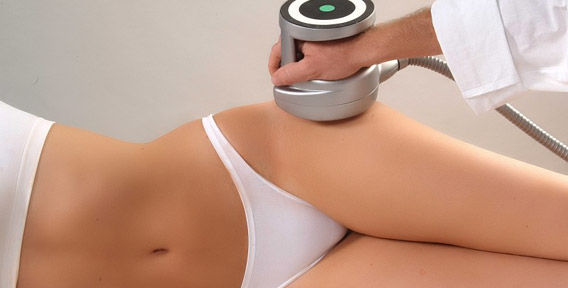
Cryolipolysis targets fat cells through controlled cooling techniques that freeze them away without damaging surrounding tissues or requiring invasive procedures like liposuction.
Finding Professional Non-Surgical Care
Health Professional
Choosing the right health professional is crucial. Look for licensed and experienced doctors. They should have specialized training in non-surgical procedures.
Check their credentials on reliable websites. Ensure they belong to recognized medical boards. This guarantees they meet high standards.
Consultation
Schedule consultations with multiple providers. Each consultation offers insight into their expertise. Discuss your goals and concerns during these visits.
Ask about the specific procedures they recommend. Request before-and-after photos of previous patients. This helps assess their skill level.
Doctor’s Site
Visit the doctor’s site or clinic in person. Observe the cleanliness and professionalism of the staff. A well-maintained site reflects a commitment to quality care.
Review patient testimonials on their website. Positive feedback from real patients can be reassuring.
Information Gathering
Gather as much information as possible about potential treatments. Research different non-surgical options available for your needs.
Compare the benefits and risks of each procedure. Reliable sources include medical journals and trusted health websites.
Questions to Ask
Prepare a list of questions for your consultation:
- What are the expected results?
- How long will recovery take?
- Are there any side effects?
- What is the cost?
These questions help you make an informed decision.
Factors to Consider
Consider several factors when choosing a treatment option:
- Safety: Ensure the procedure is safe with minimal risks.
- Effectiveness: Verify that it delivers desired results.
- Cost: Compare costs across different providers.
- Recovery Time: Know how long it takes to heal completely.
By considering these factors, you ensure a better outcome for your health and appearance.
Closing Thoughts
Non-surgical procedures offer a world of possibilities. From diagnostic tools to cosmetic enhancements, these methods provide effective, less invasive alternatives to traditional surgery. You can enjoy faster recovery times, reduced risks, and often lower costs.
Ready to explore your options? Consult with a qualified professional to find the best non-surgical treatments for you. Stay informed, stay safe, and embrace the advancements in medical technology. Your health and well-being deserve the best care available.
Frequently Asked Questions
What are non-surgical medical procedures?
Non-surgical procedures are treatments that don’t require incisions. They use advanced techniques and technologies to diagnose, treat, and enhance health without surgery.
What types of non-surgical treatments are available?
Non-surgical treatments include physical therapy, injections, laser therapies, and cosmetic enhancements like Botox or fillers. These methods offer effective results without the need for invasive surgery.
What are the benefits of non-surgical options?
Non-surgical options often have shorter recovery times, fewer risks, and less pain compared to surgical procedures. They also tend to be more cost-effective.
Are there any risks associated with non-surgical procedures?
Yes, while generally safer than surgery, non-surgical procedures can still have side effects such as bruising, swelling, or allergic reactions. Always consult a qualified professional.
How do non-surgical diagnostic tools work?
Non-surgical diagnostic tools like MRI and CT scans provide detailed images of the body without needing an incision. They help in accurate diagnosis and treatment planning.
Can cosmetic enhancements be achieved without surgery?
Yes, many cosmetic enhancements like skin tightening, wrinkle reduction, and fat loss can be achieved through non-invasive methods such as lasers or injectables.
How do I find a reputable provider for non-surgical care?
Look for certified professionals with good reviews and proven experience in the field. Check their credentials and ask for before-and-after photos of previous patients.