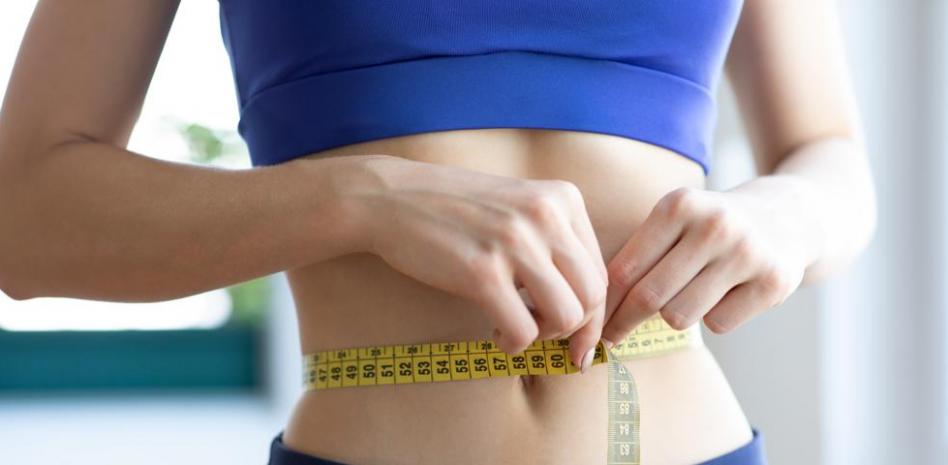
The tummy is the most common area that we treat, consult for and answer questions about. It seems
like it’s everyone’s “trouble spot.” From women who have had their tummy stretched through pregnancy to men who are carrying their excess weight in the dreaded “beer gut” almost every person alive has struggled with keeping a slim and trim looking belly.
Because our treatments focus on subcutaneous fat, not everyone is a candidate for liposuction. Understanding the different types of body fat can go a long way in your own personal “Battle of the Bulge.”
The Different Types of Abdominal Fat
There are 2 main types of fat in the belly area. There is the fat that is just beneath your skin, known as subcutaneous fat, and there is fat that surrounds your organs, deep beneath your abdominal muscles, known as visceral fat.
Most patients have a combination of the two types of abdominal fat, but only one can be treated with cosmetic surgery. Because subcutaneous fat is outside of the muscle wall that surrounds your organs, it can be safely removed with liposuction. This is the fat that you can pinch.
Visceral fat is that fat that surrounds your organs and contributes to insulin resistance and type 2 diabetes. This fat can only be reduced the hard way…through diet and exercise. So, if you’re asking “How can I lose tummy fat fast?” read on!
Diet vs Exercise to Lose Belly Fat
A healthy lifestyle is important for much more than weight loss. Regular exercise improves your mood and can suppress carb cravings. A healthy, balanced diet will help your body build muscle rather than storing fat and the added bulk from fiber in fruits and veggies will help reduce hunger and help limit over eating. Making some simple lifestyle changes toward wellness can also help reduce cholesterol and high blood pressure.
A high stress lifestyle can lead to release of cortisol (a stress hormone). This hormone can encourage your body to store more fat in the tummy. Be sure to get enough sleep and find healthy outlets for your stress (like exercise, yoga or a calming hobby). Excessive stress can also lead to high blood pressure and increased risk of cardiovascular disease and other health problems.
Many people turn to exercise to reduce body weight. As I mentioned before, exercise is important in your weight loss journey. It has a plethora of health benefits. Exercise will improve your mood and outlook; being in a positive state of mind will help you stick to your plan. Exercise also builds muscle mass, which increases your resting metabolic rate and helps you burn calories even when you aren’t exercising. Aerobic exercise will improve your cardiovascular health, reducing your risk for heart disease and stroke.
But if you’re trying to lose weight, exercise alone usually isn’t enough. We see patients all the time who exercise every day and are still significantly overweight. Have you ever watched the calorie counter on the treadmill? You can run full out for 10 minutes and only burn about 100 calories. Few people exercise that vigorously. If you pay attention to nutrition labels, you know that 100 calories isn’t much. It’s much easier to reduce your calorie intake by 100 calories than it is to exercise it off.
Just remember, weight loss is a math problem. If the amount of calories going in is more than calories going out, your body will store those calories and you will gain weight. The only way to lose weight is if calories out is more than calories in, creating a calorie deficit and forcing your body to burn what it already has stored.
If you are following a well balanced, healthy diet but still having difficulty losing weight, you should consult with a dietitian or nutritionist to help you with your weight management so you can make changes to continue making progress.
Diet:
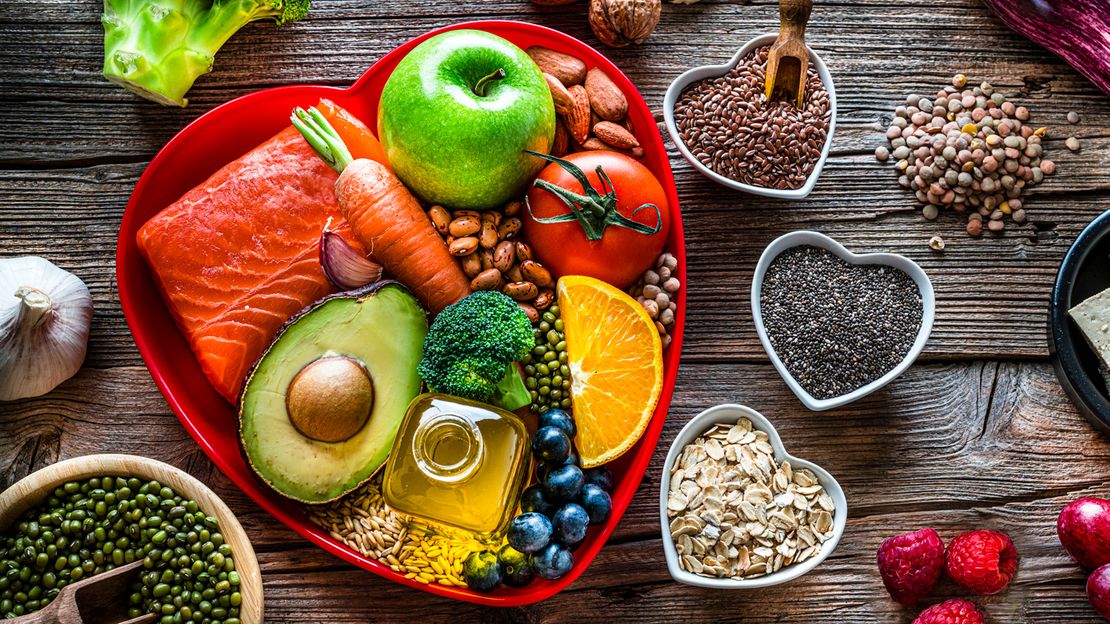
Are there foods that burn belly fat?
Every time I open a window on my internet browser, I’m bombarded with ads for secrets about which foods you should eat to burn belly fat. While it would be amazing to know that there are “5 foods that burn belly fat,” it’s not possible to say that one food or another will be the best for everyone. Each of our bodies has different nutritional needs and different baselines for storing fat. For some people, avoiding carbohydrates (like the keto or Atkins diets) will help reduce belly fat while they seem to have no effect for others. Intermittent fasting can help you eat fewer calories, but is difficult for many patients to maintain long term. Most of these articles are based on eating healthy foods that reduce bloating, so your waistline may shrink a bit, but it won’t actually be fat loss.
In general, a diet that is high in processed carbs and low in fiber and protein will lead to more visceral fat storage, but again, this may not be the case for everyone.
You should pay attention to how your body responds to different diets and find one that works for you. More importantly, look for a diet that you can live with. A “diet” should be a lifestyle, not a short term fad. If you can’t imagine a life without any pasta or bread, keto will probably just make you feel bad about yourself every time you cheat.
Eat a healthy, balanced diet with lean proteins, lots of fresh fruits and veggies and whole grains and sweets in moderation. Avoid processed foods, sugary drinks and trans fats whenever possible. And NEVER use food as a reward for progress. There should be a shift in your mindset. Food is a fuel, you don’t “need” those cookies. When you make the decision to eat something sweet, don’t think of it as cheating or failing. Simply take it into consideration and make adjustments to eat fewer calories in the rest of your daily intake to keep things in balance.
How much weight can I lose in a week?
Most experts recommend a weight loss goal of about 2 pounds per week. While it is possible to lose weight faster than that, it will be harder to maintain. Your body strives to achieve balance (homeostasis). It will try to keep itself on an even keel without big changes. When you reduce your caloric intake below 1200 calories per day, your body thinks that it’s being starved and does all it can to conserve energy and reduce fat burning. This is why people using extreme caloric restriction often plateau quickly. Furthermore, as soon as you go back to a “normal” diet (one that you can stick to long term) your body tries hard to replace the fat that it lost. A weight loss of 2 pounds per week will amount to more than 100 pounds in a year if you stick to it! As you get near to your weight loss goal, be sure to gradually go back to what you plan for your long term diet, so that your body isn’t tempted to store the fat back on again.
Exercise:

What exercise burns the most stomach fat?
While it is possible to target muscle groups for toning (think six pack abs through crunches or firmer arms by lifting weights), targeted fat reduction is only possible with medical intervention. When your body burns fat during physical activity, the calories are released from fat cells all over your body. You cannot do any exercise that will burn belly fat exclusively.
Any aerobic exercise (high-intensity cardio or hiit) that exceeds your caloric intake will force your body to burn fat, from every body part.
Toning your abdomen through strength training can help your midsection look slimmer though! When you improve the strength of your core, you have a thicker wall of muscles holding back that visceral fat. When you combine core work with caloric restriction, you will see a faster improvement in your waistline.
Supplements:
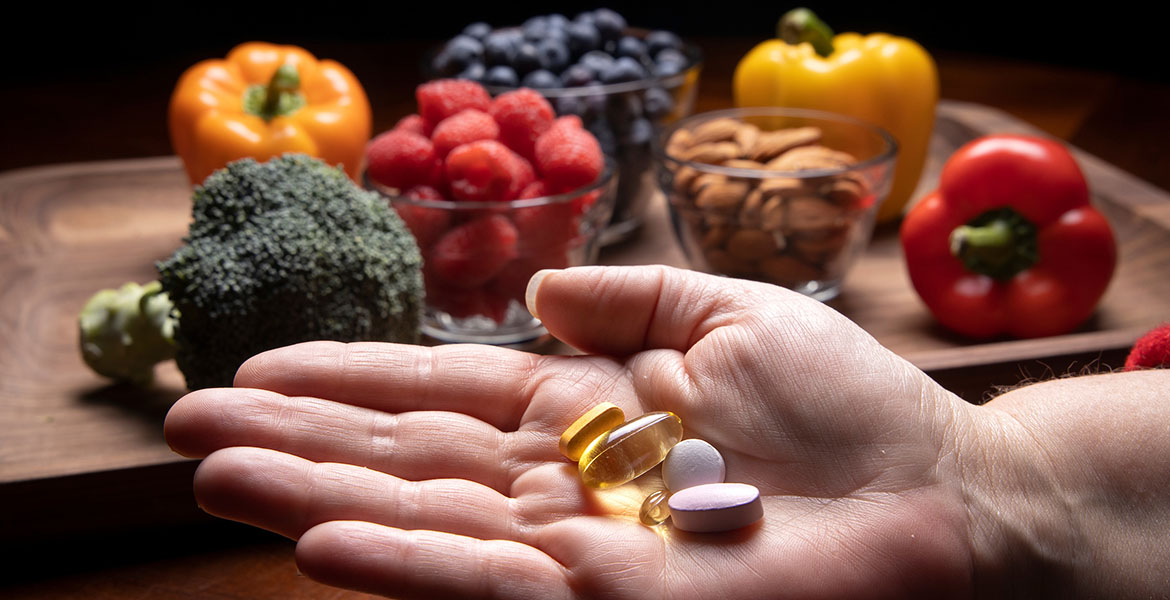
What is the best fat burner?
There are about a million fat burning supplements on the market. Most of them have associated health risks and are not a good way to lose weight for the long run.
Supplements containing caffeine or diuretics can be dangerous and can cause rebound weight gain.
How Can I Reduce My Tummy in 7 Days?
We live in an instant gratification society. We don’t have patience for results that may take weeks or even months. Unfortunately, there is no safe diet or exercise plan to lose your belly fat in a week. Have patience, work hard and recognize small achievements so that you don’t get discouraged. While cosmetic surgery isn’t a treatment for obesity, if you are already at a healthy weight, but you still have stubborn areas of fat, cosmetic treatments such as liposuction or CoolSculpting may be the solution you’re looking for. These treatments do provide fast results, liposuction patients often see a significant reduction in their waist measurement in just a month and CoolSculpting results begin to show in about a month as well.
If you want to learn more about how cosmetic treatments like liposuction, Renuvion, CoolSculpting or other body contouring treatments can help you reach your goals, we would love to meet you in a complimentary consultation. Please call us at 402-347-4433 and one of the friendly voices at our front desk would be happy to schedule your free consultation today. At your complimentary consultation, our team will discuss your goals and the expectations for your treatment as well as cost and financing If you are not in Omaha, Lincoln, Council Bluffs or the surrounding Nebraska/Iowa metro, we do offer virtual consultations as well!